The Big Question
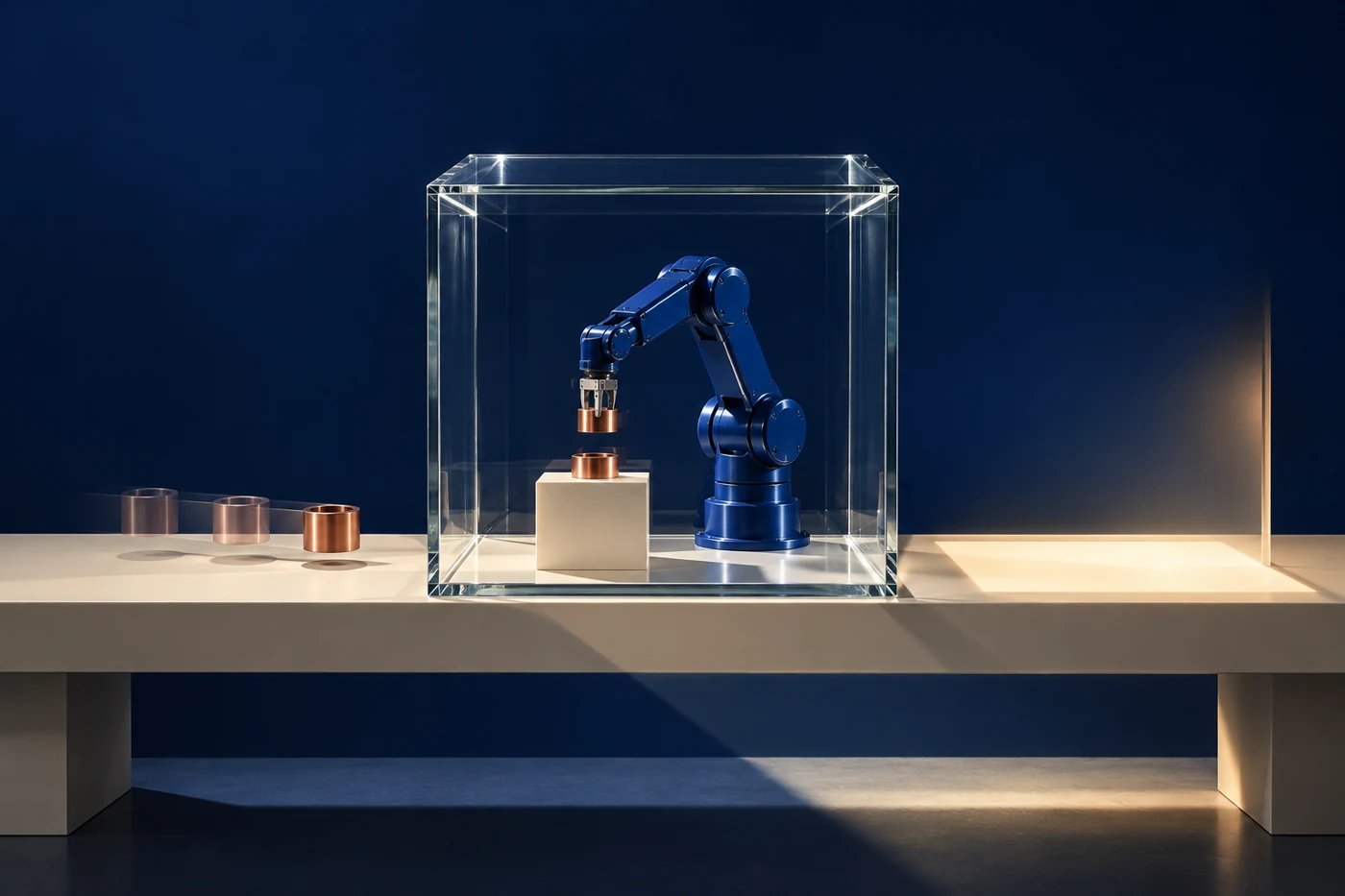
What makes a robot useful?
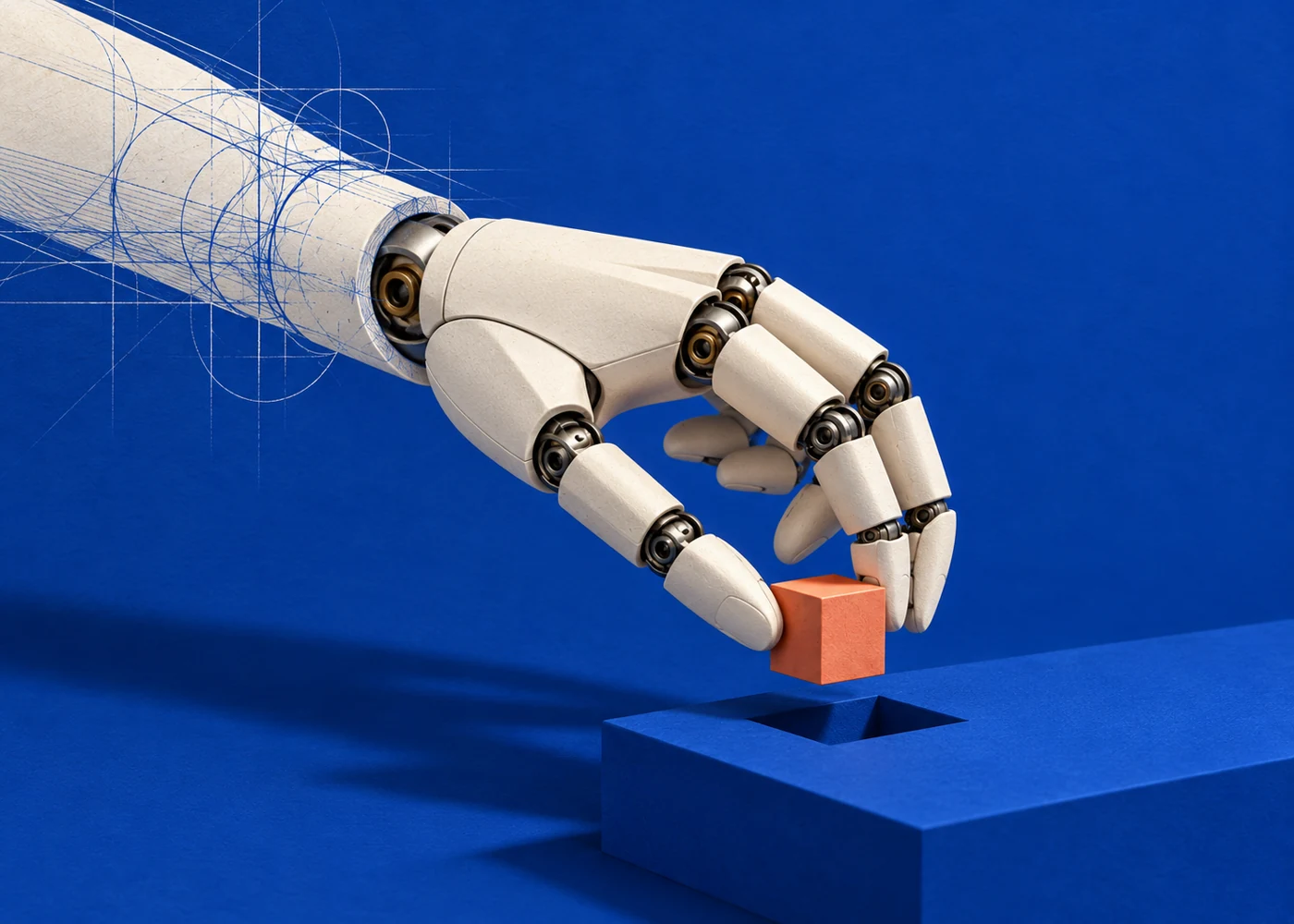
As AI moves beyond the screen, how should we judge success? A robot's real value appears in the difference it makes to the people around it.
Read article →
Physical AI and the next world of work
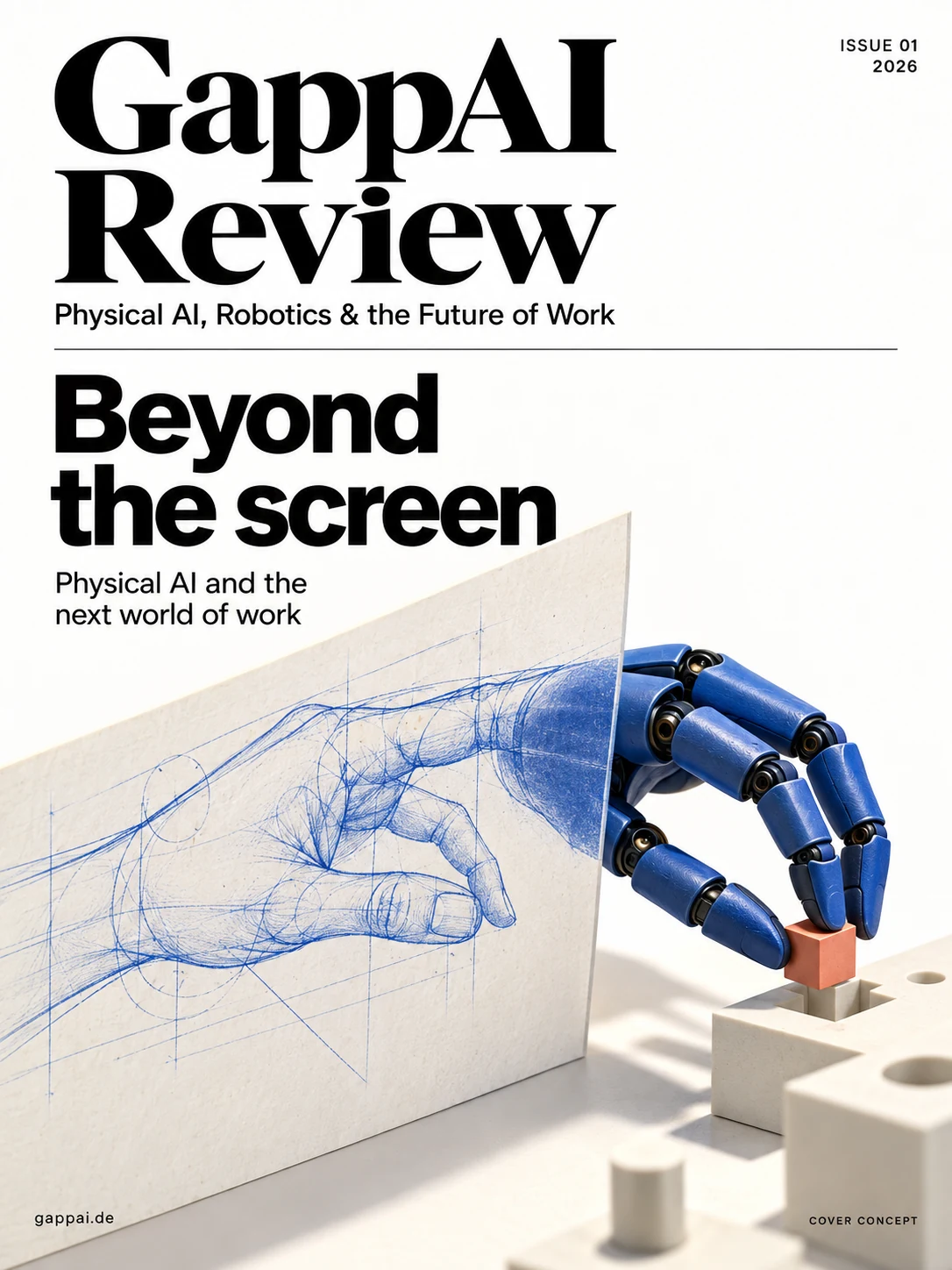 Read Issue 01
What makes a robot useful—and what changes for the people who work alongside it? Explore the skills, economics and decisions shaping Physical AI.
Webartikel auf Deutsch ↗FROM THE EDITORIAL TEAM
Before a robot can do useful work, there is a task to understand, an environment to navigate and a person who knows what good work looks like. That is where we choose to begin.
Welcome to the first issue of GappAI Review. This publication brings questions from research into conversation with the people who build technology, run organisations and shape public life. Its focus is Physical AI: intelligence that must perceive, decide and act in the world we share.
Beyond the Screen asks what it takes to turn human expertise into reliable robotic capability. What can a demonstration teach? Which skills can transfer between machines? How should an operation measure usefulness? And who takes responsibility when the unexpected happens?
We want to examine these questions through research perspectives, operational experience and thoughtful disagreement. We will make room for what remains unresolved, distinguish proposals from demonstrated results, and identify GappAI's own perspective clearly.
Our interest is in work as people experience it: the judgement in a practiced gesture, the routines that keep a building running, the constraints on a factory floor, and the expectations attached to a public service. Technical capability matters alongside trust, economics and the people affected.
We begin with a conviction, and an invitation. Human expertise belongs at the centre of the discussion about intelligent machines. Help us ask better questions about what those machines should learn to do.
GappAI Review Editorial TeamThe Big Question
As AI moves beyond the screen, how should we judge success? A robot's real value appears in the difference it makes to the people around it.
Read article →People & Work
A job title cannot tell us everything about a profession's future. Follow a hotel housekeeper's day, from moving supplies to making judgements and responding to people.
Read article →Inside Technology
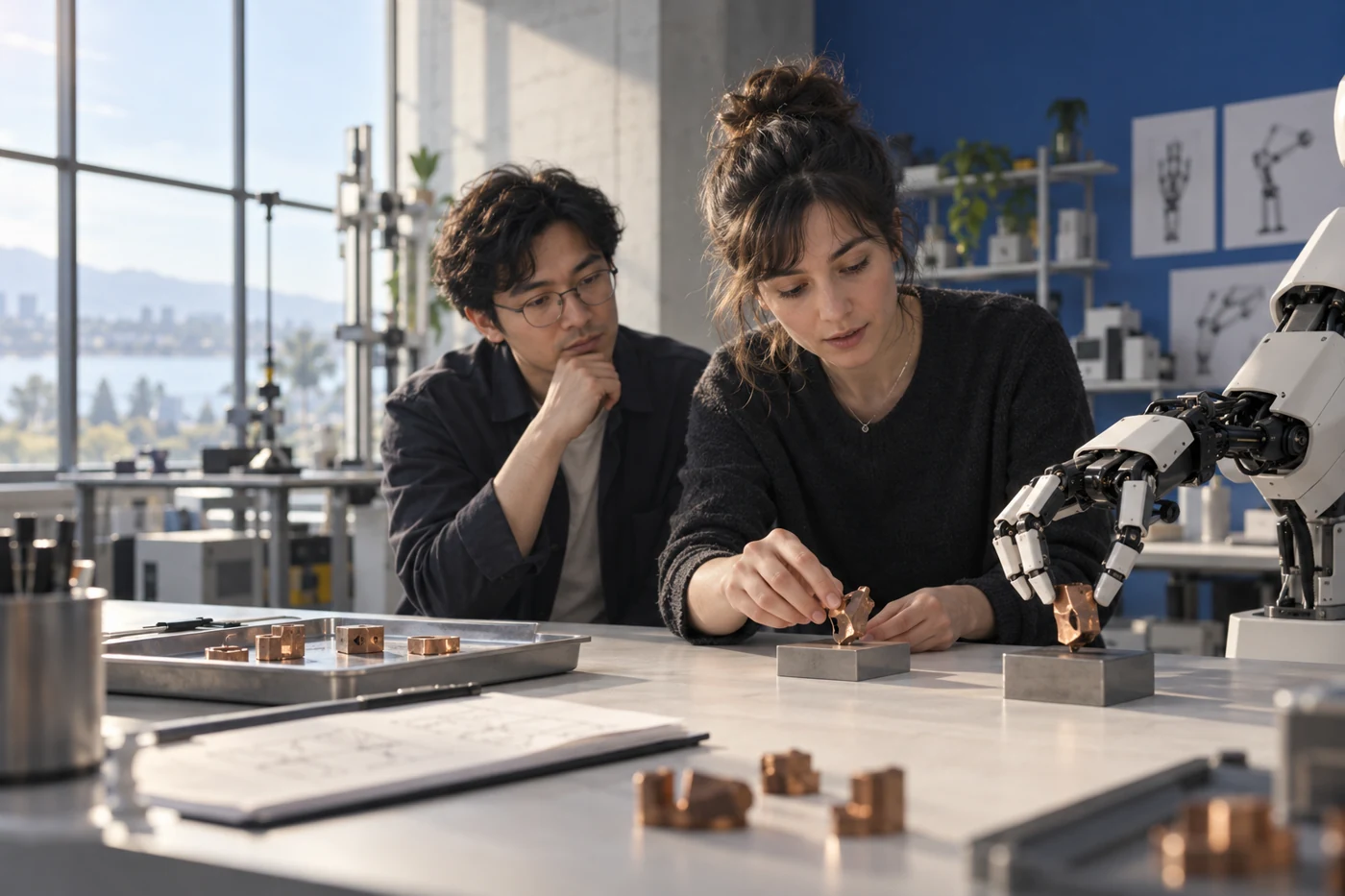
Opening a drawer, putting away a pan, repeating a task in a different room: robot learning is full of everyday details. The difficult examination is transferring a skill into changing conditions.
Read article →Everyday Life
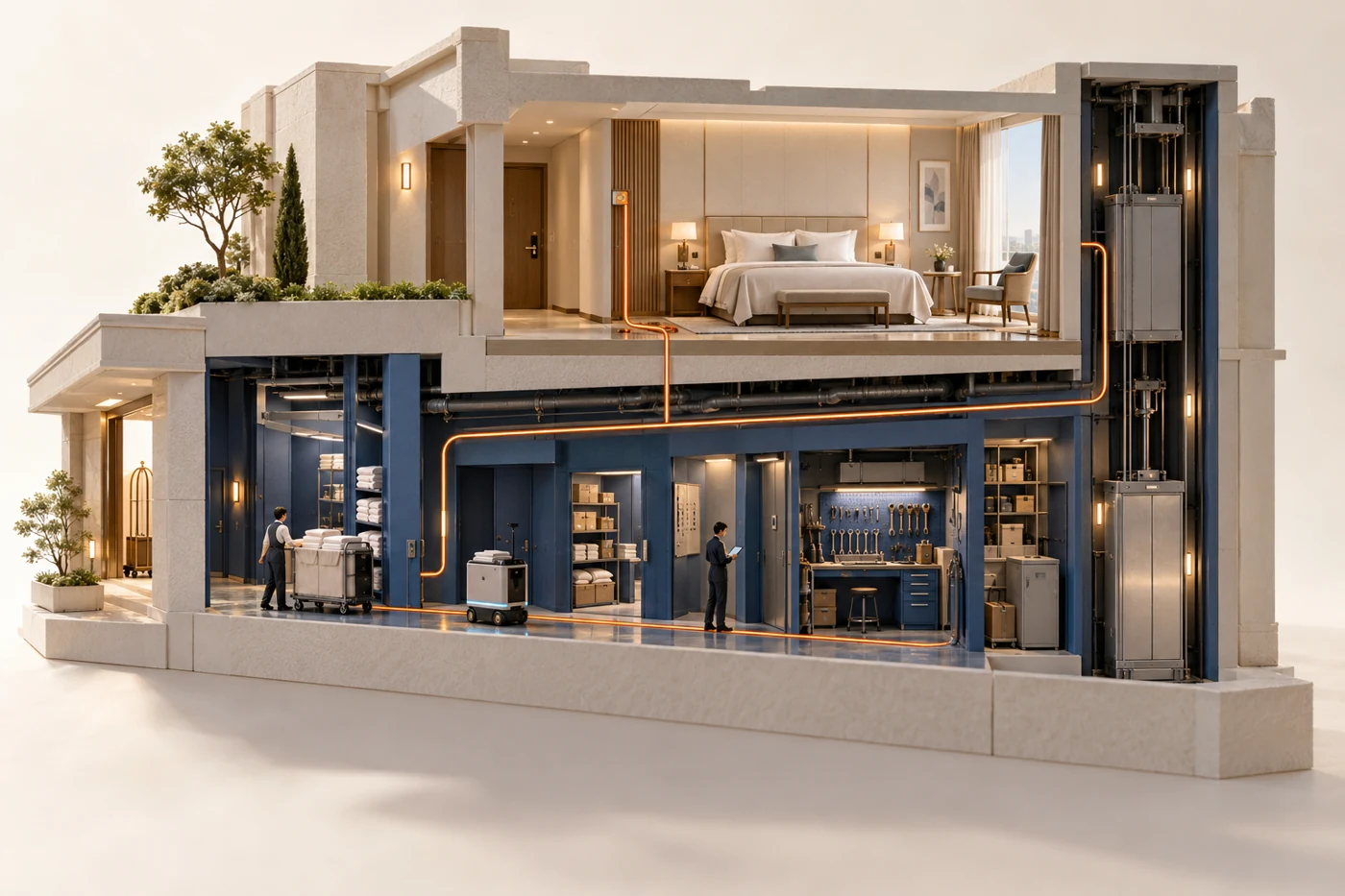
For a guest, a good stay feels effortless. Behind that ease is a system that brings rooms, people, materials and information into rhythm. The future of the intelligent hotel lies in how that invisible system works.
Read article →Voices from the Field
Many decisions separate a robot's delivery from its first useful day at work. What should an operator, manufacturer and integrator ask when they sit around the same table? A good purchase begins with a shared definition of the system that will actually work.
Read article →Voices from the Field
What should a field pilot record to support a sound decision? Think of the first 100 hours as an observation window that makes tasks, human intervention and lessons visible.
Read article →World View
We ask the same question of Germany, Europe, the United States and China: who can connect research, manufacturing and real use? The map of robotics is more layered than any single ranking can show.
Read article →Trust & Society
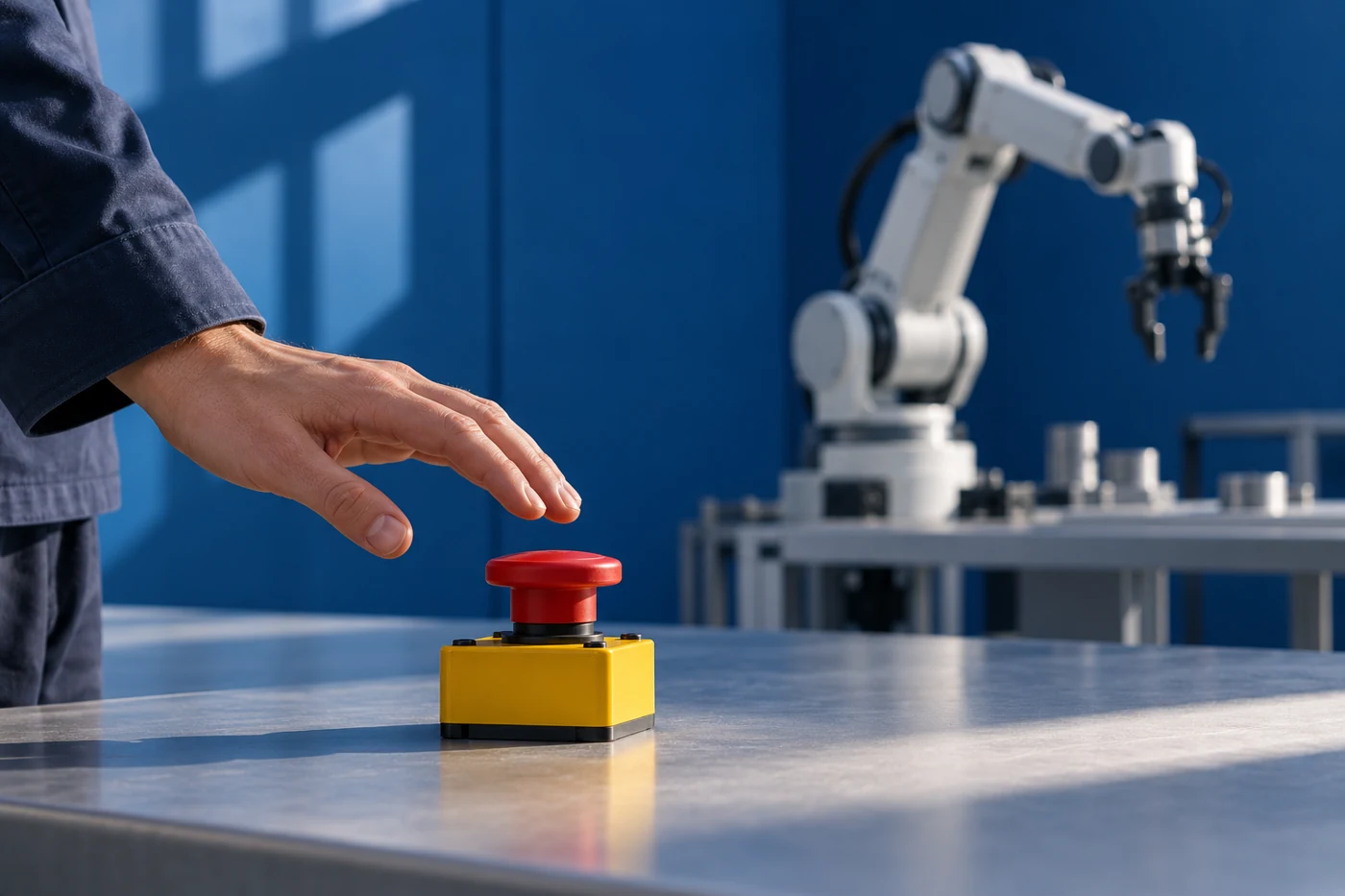
Trust looks easy when everything is going well. When a robot behaves incorrectly, the value of oversight, responsibility and records becomes clear. As technology advances, society's questions become more concrete.
Read article →Economy & Capital
How does producing more translate into living better? We examine robotics through productivity, wages, service costs and the way gains are shared.
Read article →Economy & Capital
Banks' large market forecasts attract attention. The more useful questions concern their assumptions and where economic value may arise. We read the robotics investment narrative through the questions behind its numbers.
Read article →GappAI Perspective
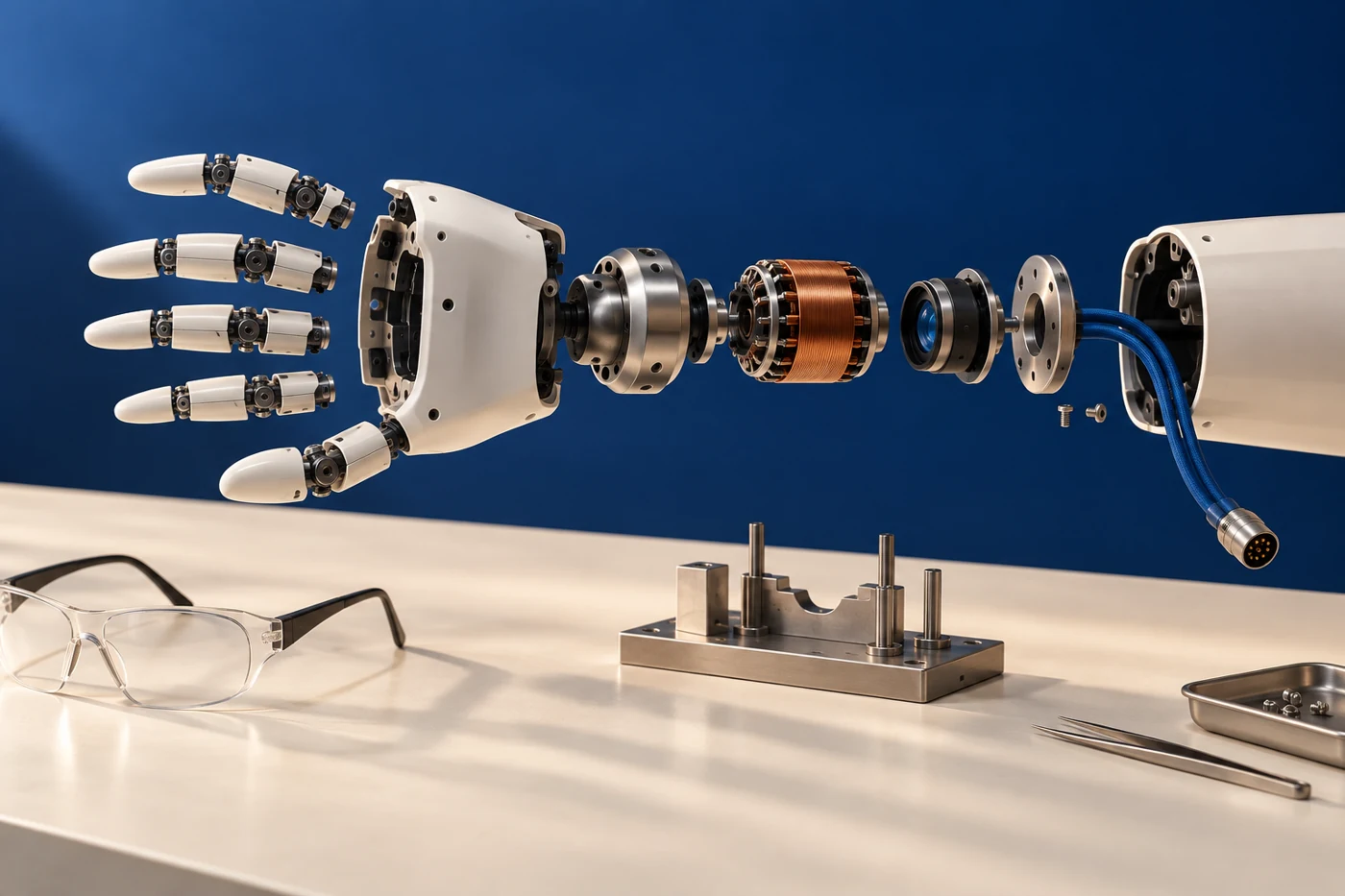
A robot has a body. Who will teach it the work? GappAI focuses on the space between human expertise and a robot's physical capacity.
Read article →Inside GappAI
How do Capture, Skills, Workforce and Labs connect? Follow one physical task through GappAI's approach to work.
Read article →Work with GappAI
A useful conversation starts with a clear account of real work. We invite businesses, technology teams and researchers to meet around a concrete task.
Read article →Next Horizon
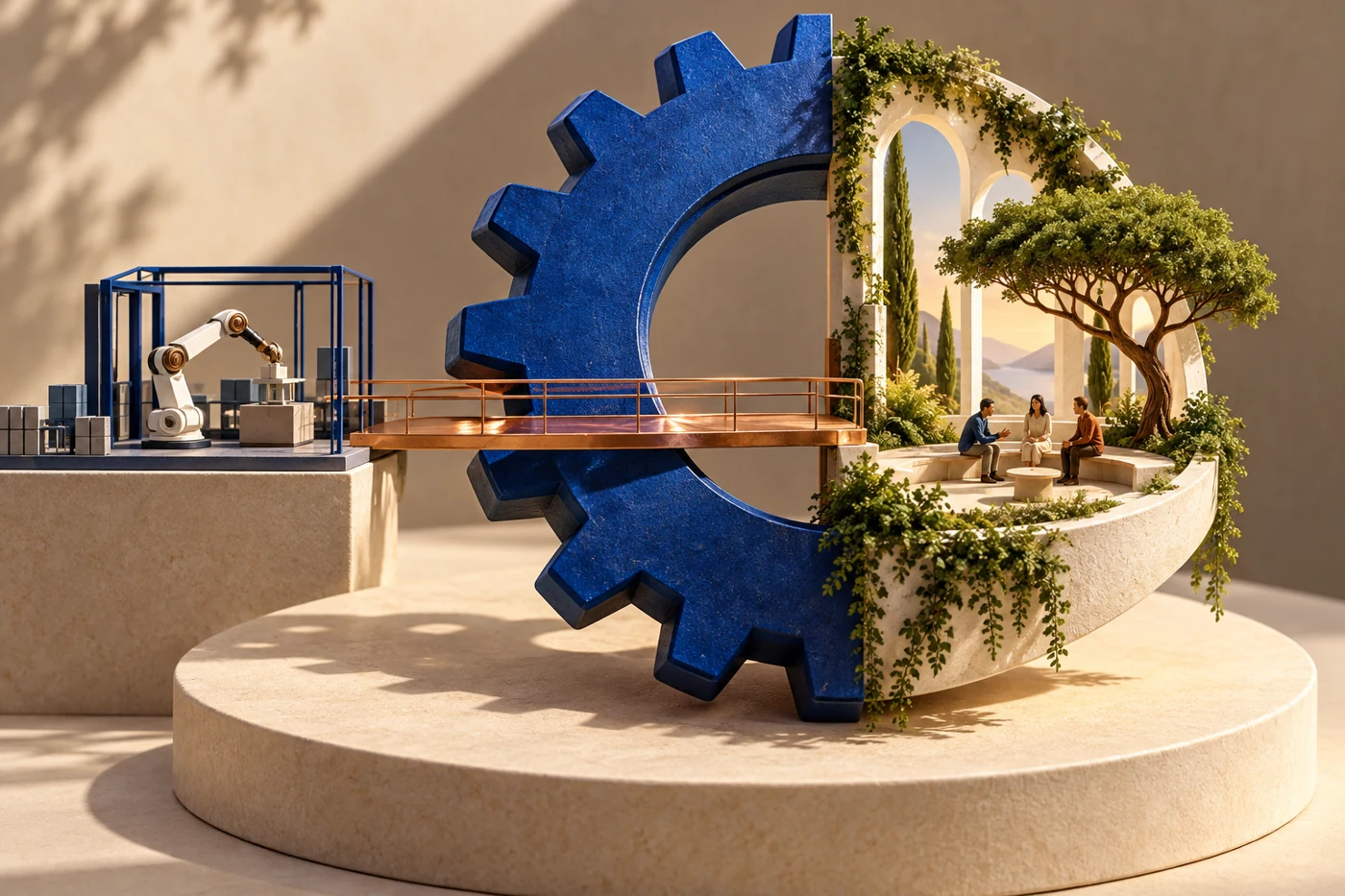
Take the future off the demonstration stage and place it inside an ordinary day. What might living with robots make easier, and what new questions might it raise? This is a scenario for discussion, rather than a prediction.
Read article →